


History
The Marathon Race is globally known because it was born by a real historic and heroic event. The marathon race commemorates the run of the Athenian soldier Pheidippides from a battlefield near Marathon to Athens.
Although he must have been at the limits of his endurance, having just run to Sparta and back and spent the morning fighting in heavy armour, Phidippides didn't hesitate. Amazingly, he reached Athens (approximately 42 kilometres from Marathon) in perhaps 3 hours. He delivered the news of a Greek victory over the Persians while he uttered the world "nenikikamen" (we won) and then collapsed and died at the end of this historic run, thereby setting a precedent for dramatic conclusions to the marathon.
For Greeks in particular, the marathon was a special event and after all, it was a race that grew out of Greek history and commemorated the feat of a Greek runner. In 1896, a Greek runner by the name of Spyros Louis competed in what has since been referred to as the 'Original Course' from the ancient city of Marathon to the "panathinaiko stadium" in Athens and won the gold medal of the first modern Olympic Games. Spyros Louis became a legend of Greek and international athletics.
Although the Athenian army was vastly outnumbered, they launched an effective attack. They succeeded in turning back the Persian army, which fled to the sea and sailed south for Athens. The Athenian army headed back to defend Athens, but messenger Phidippides was sent ahead to carry the news of the victory and warn of the approaching Persian ships.
Nearly 2,500 years later, the legend of Phidippides sparked the imaginations of the fathers of the modern Olympic Games. During the 1894 International Athletic Congress, Michel Brιal, a linguist and student of Greek mythology, suggested including a marathon race at the first Olympic Games. The 42,195m Marathon Race became one of the major competitive events when the Olympic Games were revived in 1896.
The Marathon Race has always had a prominent place in the hearts and minds of sports enthusiasts, as it represents the highest athletic effort where the human body, soul and mind are tested to their limits as the runner presses to the finish line. Greece is the birthplace of the marathon race while the revival of the Olympic Games in Athens (1896) popularized the Marathon Race as we know it till today.
History
The Marathon Race is globally known because it was born by a real historic and heroic event. The marathon race commemorates the run of the Athenian soldier Pheidippides from a battlefield near Marathon to Athens.
Although he must have been at the limits of his endurance, having just run to Sparta and back and spent the morning fighting in heavy armour, Phidippides didn't hesitate. Amazingly, he reached Athens (approximately 42 kilometres from Marathon) in perhaps 3 hours. He delivered the news of a Greek victory over the Persians while he uttered the world "nenikikamen" (we won) and then collapsed and died at the end of this historic run, thereby setting a precedent for dramatic conclusions to the marathon.
For Greeks in particular, the marathon was a special event and after all, it was a race that grew out of Greek history and commemorated the feat of a Greek runner. In 1896, a Greek runner by the name of Spyros Louis competed in what has since been referred to as the 'Original Course' from the ancient city of Marathon to the "panathinaiko stadium" in Athens and won the gold medal of the first modern Olympic Games. Spyros Louis became a legend of Greek and international athletics.
Although the Athenian army was vastly outnumbered, they launched an effective attack. They succeeded in turning back the Persian army, which fled to the sea and sailed south for Athens. The Athenian army headed back to defend Athens, but messenger Phidippides was sent ahead to carry the news of the victory and warn of the approaching Persian ships.
Nearly 2,500 years later, the legend of Phidippides sparked the imaginations of the fathers of the modern Olympic Games. During the 1894 International Athletic Congress, Michel Brιal, a linguist and student of Greek mythology, suggested including a marathon race at the first Olympic Games. The 42,195m Marathon Race became one of the major competitive events when the Olympic Games were revived in 1896.
The Marathon Race has always had a prominent place in the hearts and minds of sports enthusiasts, as it represents the highest athletic effort where the human body, soul and mind are tested to their limits as the runner presses to the finish line. Greece is the birthplace of the marathon race while the revival of the Olympic Games in Athens (1896) popularized the Marathon Race as we know it till today.
Points of Interest
The Archeological Museum of Marathon exhibits starting from the Neolithic, to Classical Greece, to the Roman Era. Right next to the museum there is a Middle Helladic Cemetery (2000 BC 0 1500 BC).
The most important monument of the Marathon valley is the
Tumulus, also called the “Soros”. It is a 9 meters tall burial mound of the 192 Athenians who lost their lives at the battle of Marathon.
Tumulus, also called the “Soros”. It is a 9 meters tall burial mound of the 192 Athenians who lost their lives at the battle of Marathon.
The permanent exhibition of the Authentic Marathon Race
uniquely presents to the global public the history of the Olympic
Marathon from 1896 to nowadays. It constitutes a unique
collection, which is divided into the following sections: the history of the Olympic Marathon Race through rare objects, the global movement of the Marathon Race dedicated to the Marathon races etc.
The Tumulus was erected near the battlefield, while nearby (at
Messosporitissa), a replica of the trophy, a marble memorial stale, erected by the Athenians following the victorious battle, can be found.
Messosporitissa), a replica of the trophy, a marble memorial stale, erected by the Athenians following the victorious battle, can be found.
Visit the original Marathon Race Start Olympic Venue in Marathon
where more than 50.000 runners for the past 120 years start their 42.195 meters run.
where more than 50.000 runners for the past 120 years start their 42.195 meters run.
Just a few meters off the sea, at the southern end of Marathon
beach, is a rare and exciting archeological site: the ruins of a large Egyptian temple from the Roman Period. Moreover, two large Egyptian statues stand at the left side of the entrance. One of the statues shows Isis keeping in each hand three small roses.
beach, is a rare and exciting archeological site: the ruins of a large Egyptian temple from the Roman Period. Moreover, two large Egyptian statues stand at the left side of the entrance. One of the statues shows Isis keeping in each hand three small roses.
In 1424 the Monastery of St. Ephraim was destroyed by marauding Ottoman troops. Monk Ephraim survived and for another year stayed as a hermit among the ruins of the Monastery. Later he was captured in another Turkish raid. He was held captive and tormented for more than 8 months, until he was finally tortured to death on 5 May 1426. A mulberry tree, believed to be that on which the saint was hanged, stands inside the re-erected monastery until today as an object of veneration. St. Ephraim is known to heal the sick and thousands of people visit the monastery every year to pray for cure.
Ramnous was an ancient Greek city in Attica situated on the coast, overlooking the Evia Strait. Its impressive ruins lie northwest of the modern town of Agia Marina in the municipality of Marathon. The site was best known in antiquity for its sanctuary of Nemesis, the implacable avenging goddess, the most important in ancient Greece.
Located on the eastern side of Attica, the Sanctuary of Brauronian Artemis was among the most important sacred sites in the ancient times. Vravrona (or Brauron), about 20 km from Athens, was one of the 12 towns of Attica that was united to Athens by Theseus.
Nearby Excursions
Α. Poseidon Temple
The ancient Greek temple of Poseidon at Cape Sounion, built during 444–440 BC, is one of the major monuments of the Golden Age of Athens. A Doric temple, it overlooks the sea at the end of Cape Sounion, at an elevation of almost 60 metres (200 ft).
Β. Marathon Lake
Marathon Lake is unique worldwide because of its external cladding of white marble, the same marble used for the construction of Parthenon and all other buildings at the Acropolis site. The lake is a water supply reservoir constructed to meet the increase in the Athens area. The Water Museum has been created near the dam of the Marathon Lake. The area contains exhibits from the period of construction of the dam, which was built in 1927.
C. European Bread Museum
The European Bread Museum of Varnavas is the largest of its kind in Europe. It exhibits more than 3.000 decorated loaves of bread, in unique shapes and embedded designs from Greece and 40 countries from all over the world.
D. Monastery of St. Raphael
St. Raphael was a monk martyred by Turkish soldiers with his companions St. Nicholas and St. Irene on 9 April 1463.The Monastery of St. Raphael is located on a hill with an amazing view.It has as protectors and patrons the wonder-working martyrs St. Raphael and St. Nikolas and the 12 year old martyr St. Irene, who are guides and shining models of faith, life and self-sacrifice. They are specially revered, honored, invoked and ministered to by the Monastery. There are numerous accounts of miracles worked by St. Raphael and his companions for people who show devotion, including supernatural healing of the sick and injured people.
Photo Gallery of Sights
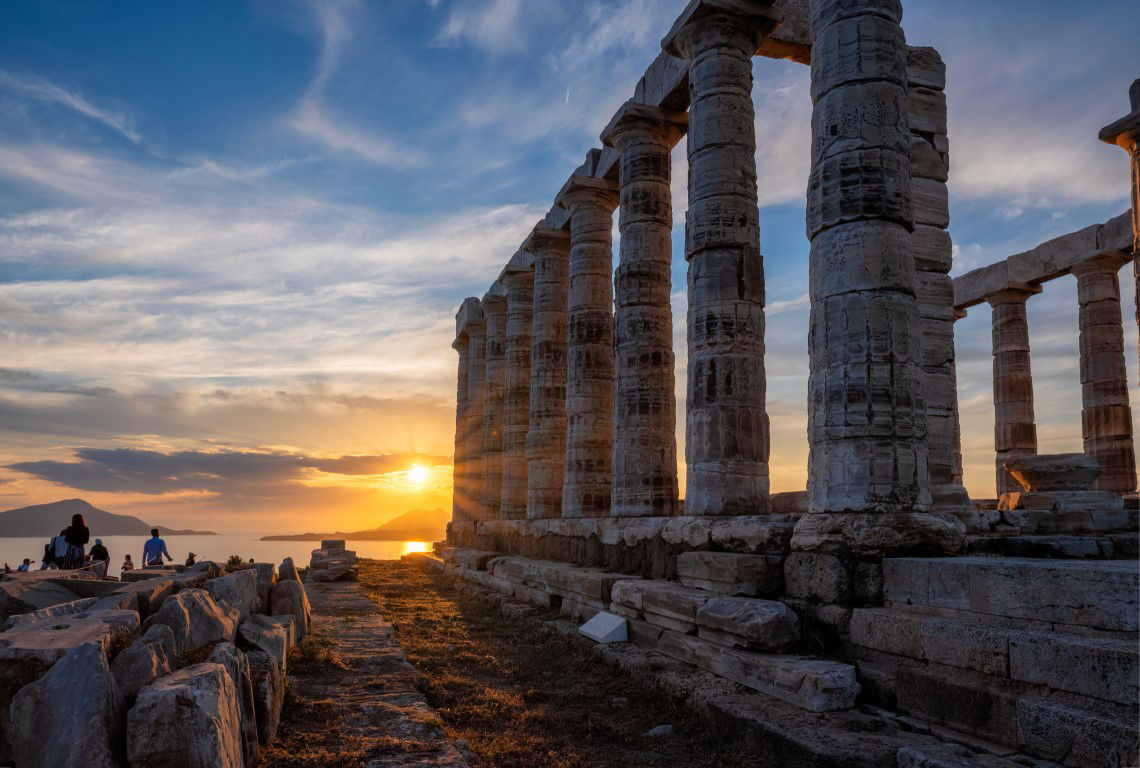 Poseidon Temple at Cape Sounio
 Battle Trophy
 Start of Marathon Race
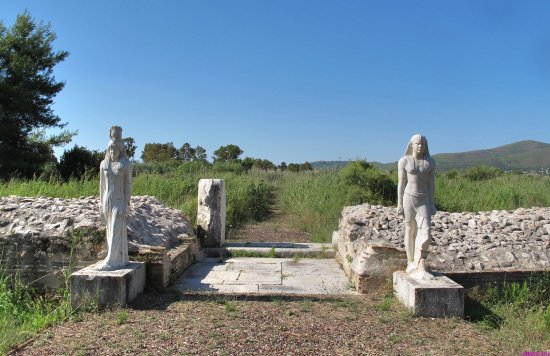 Sanctuary of the Egyptian Gods
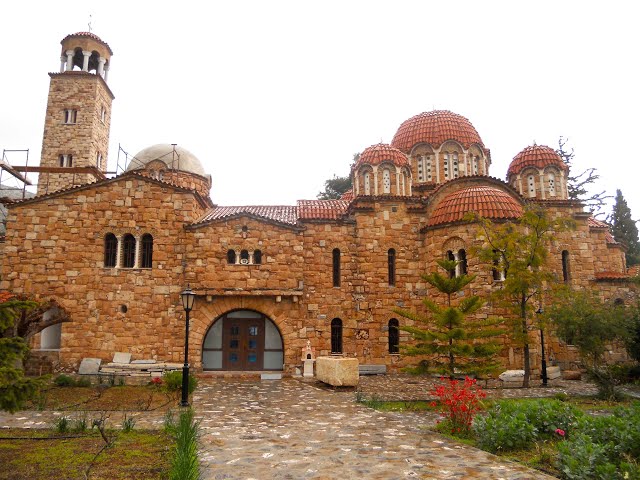 Monastery of St Ephraim
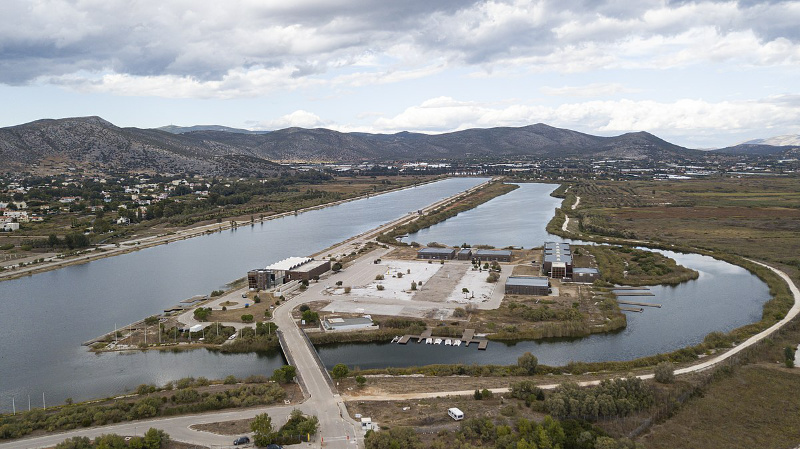 Olympic Rowing and Canoyig Center at Schinias
 Lake of Marathon
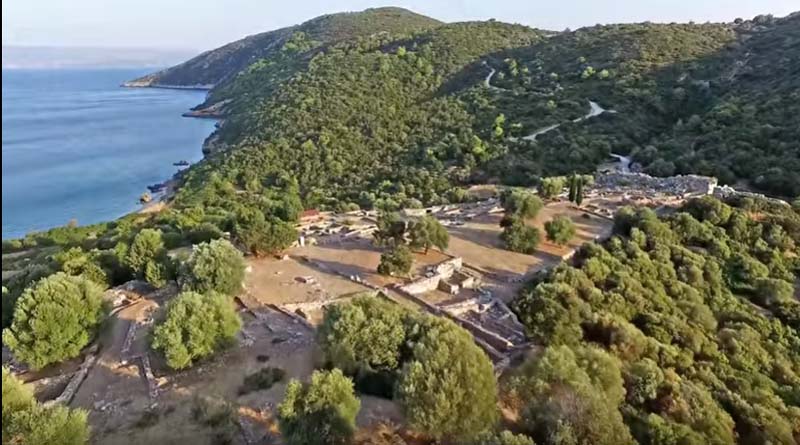 Archaeological Place of Ramnounta
 Bread Museum in Varnavas
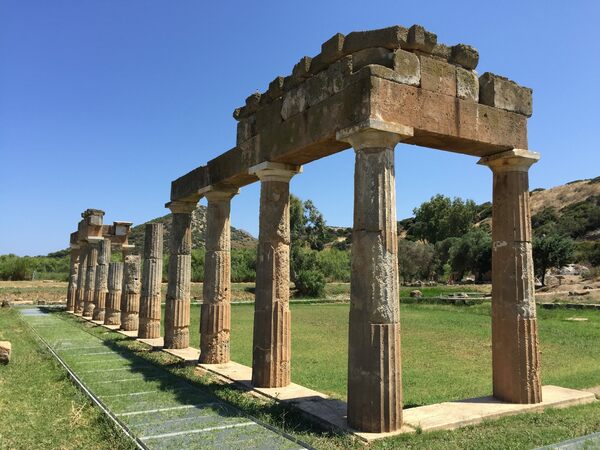 Temple of Bravronian Artemis
 National Park of Schinias
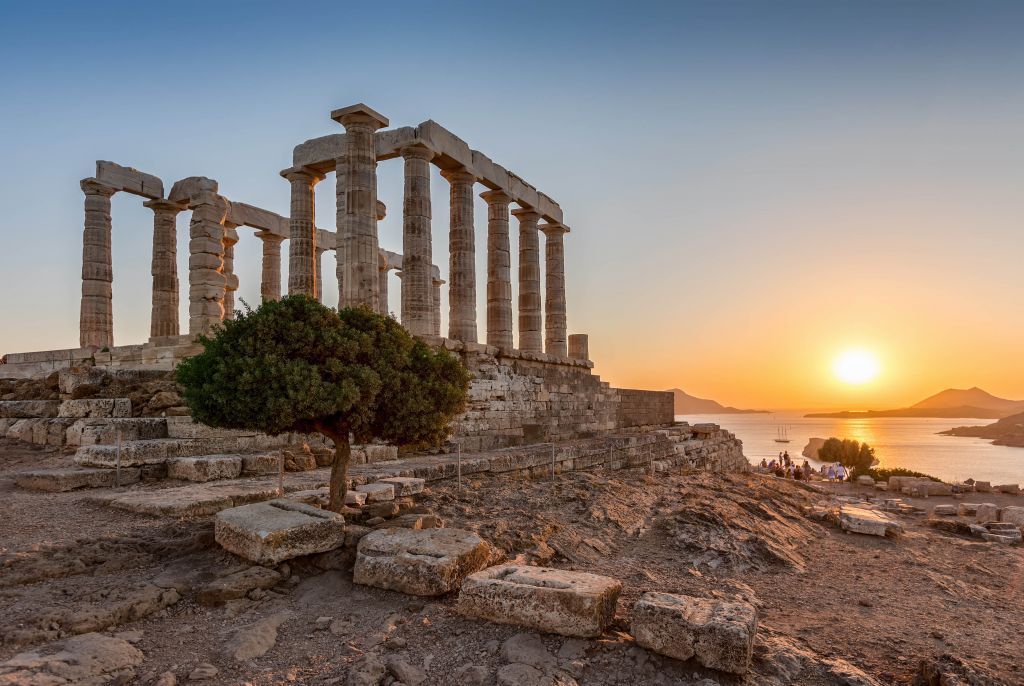 Poseidon Temple
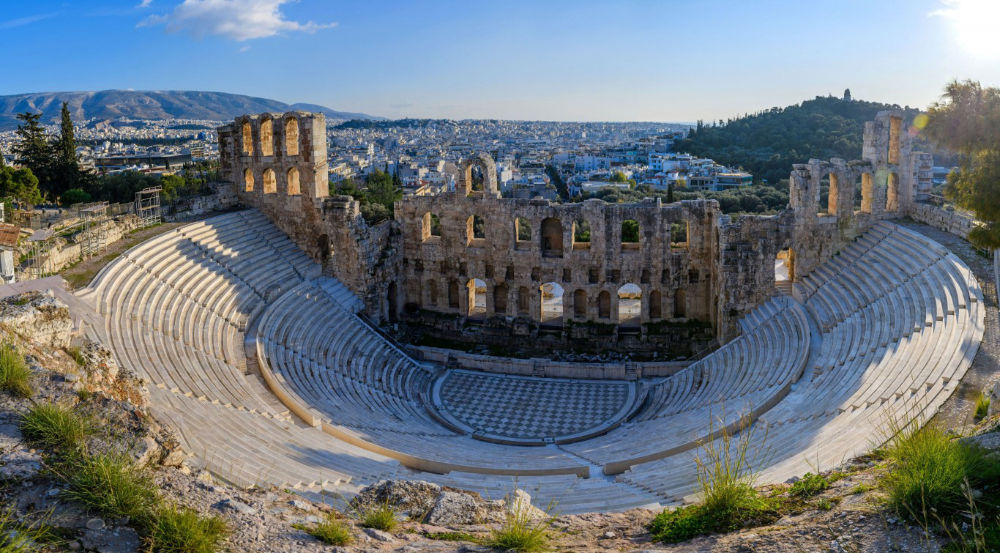 Odeon of Herodes Atticus
 Erectheum Porch with Caryatids at Acropolis
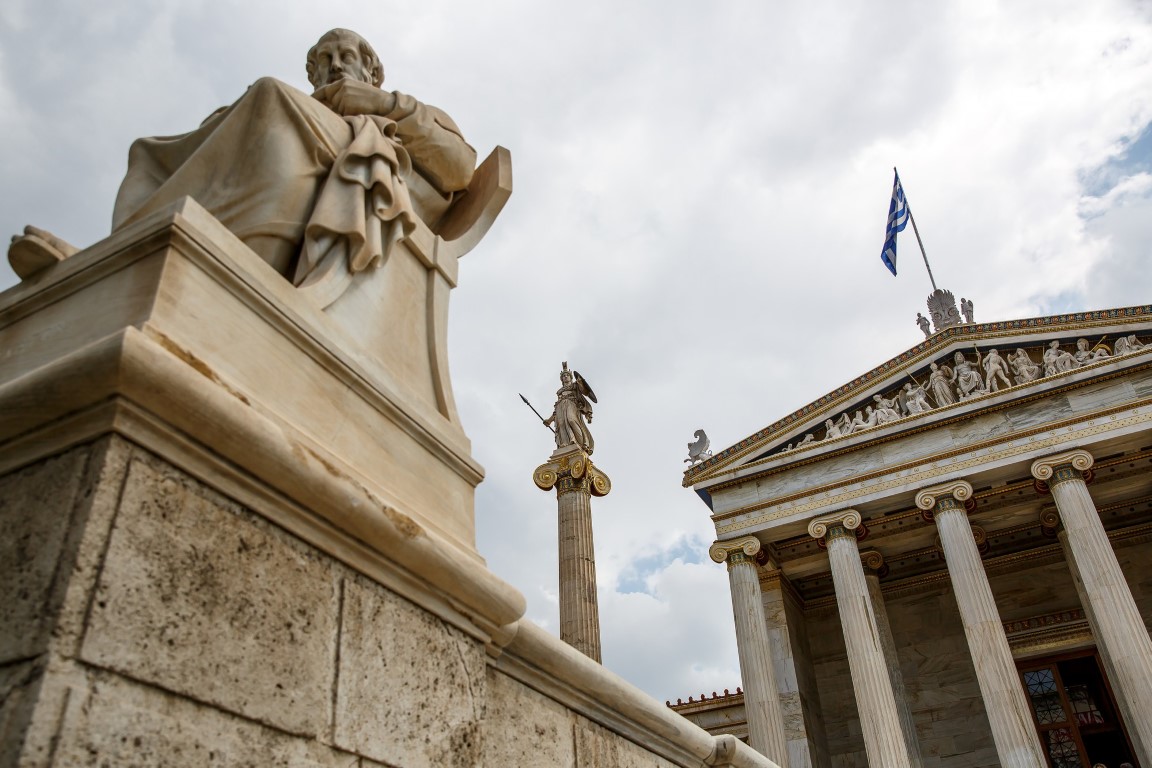 Academy of Athens
Location
Follow us
Copyright © All Rights Reserved


